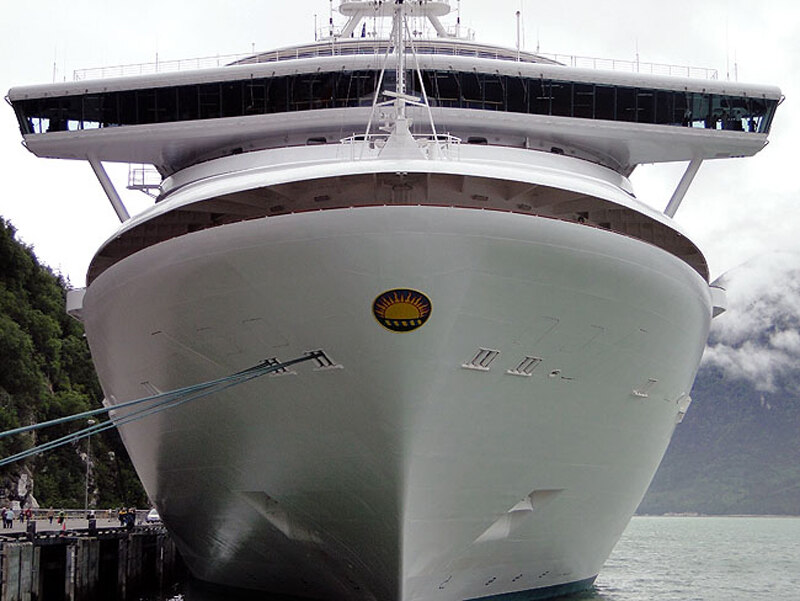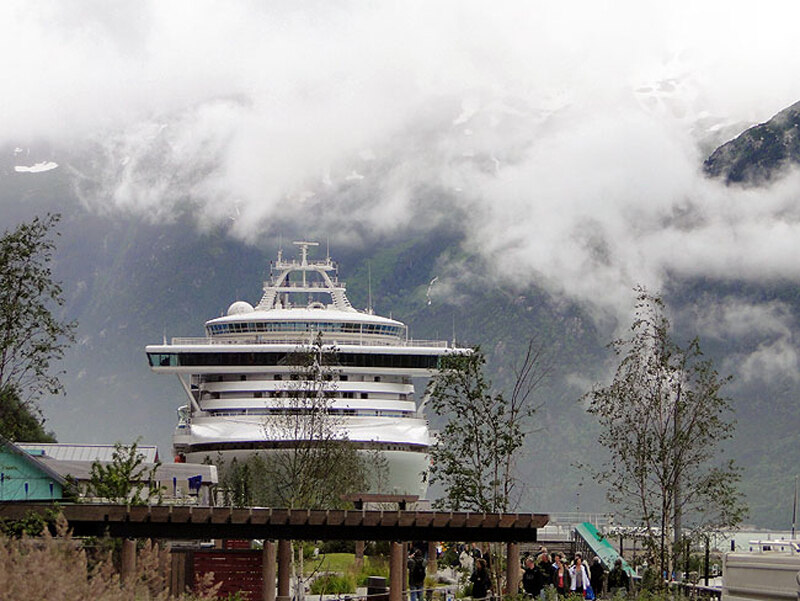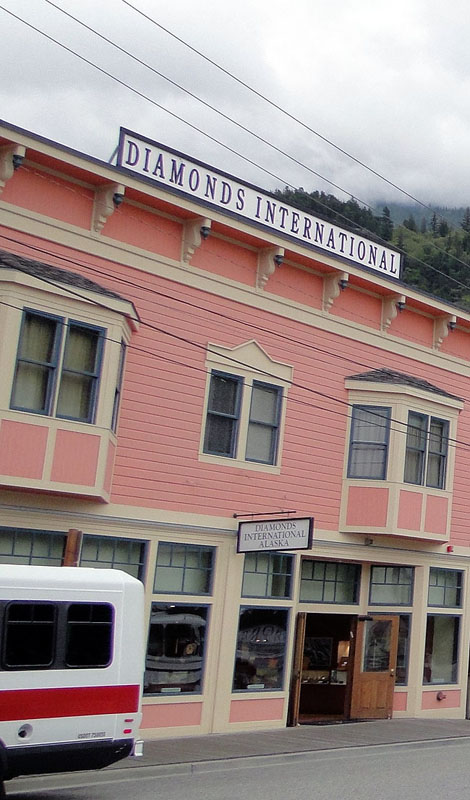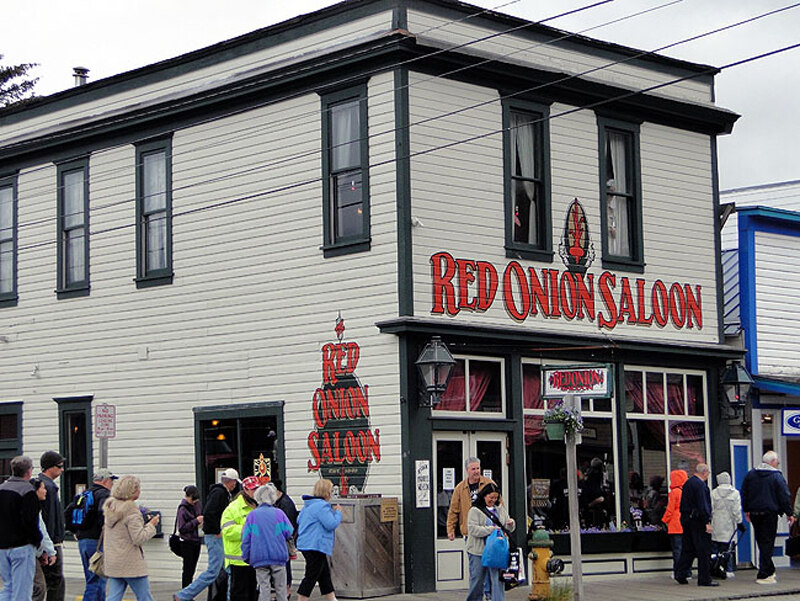

Skagway / White Pass & Yukon Route
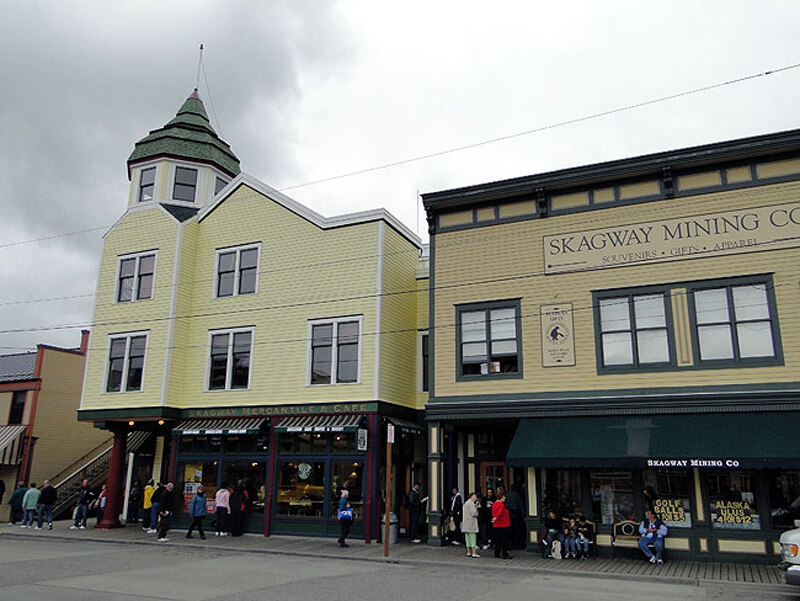
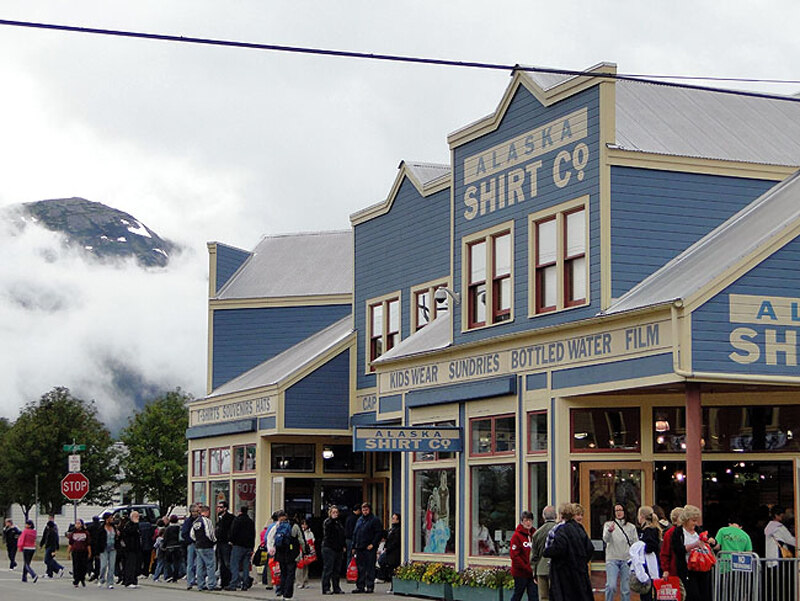
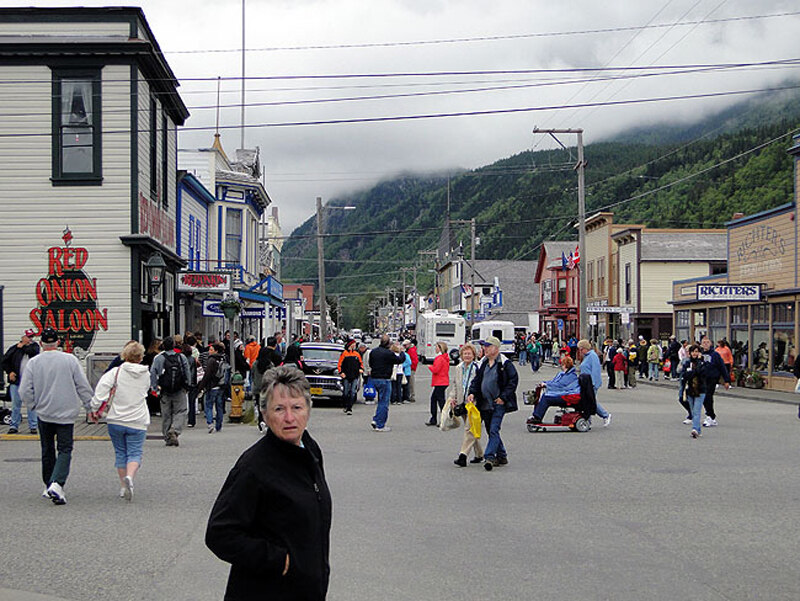
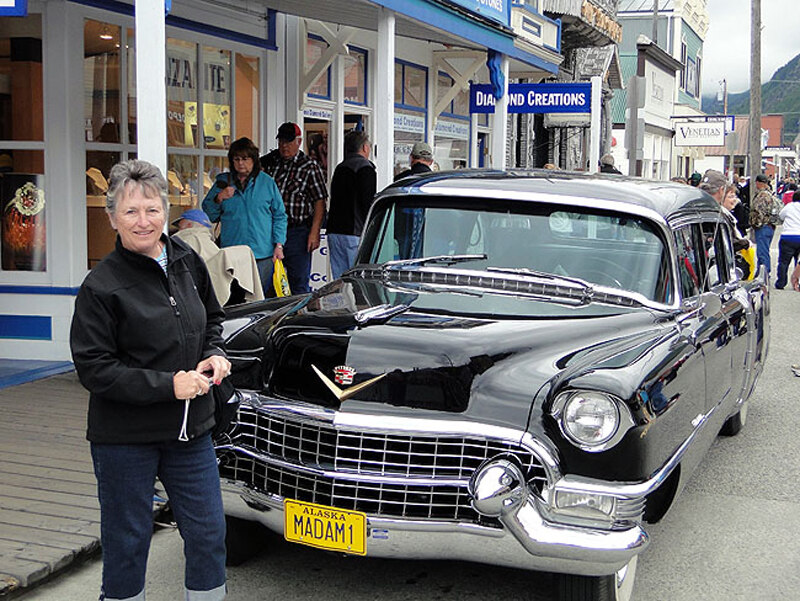
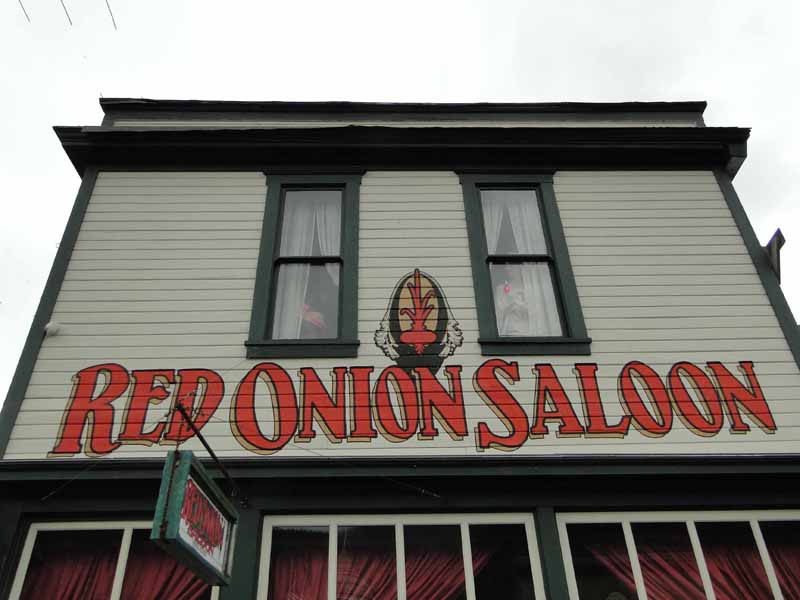
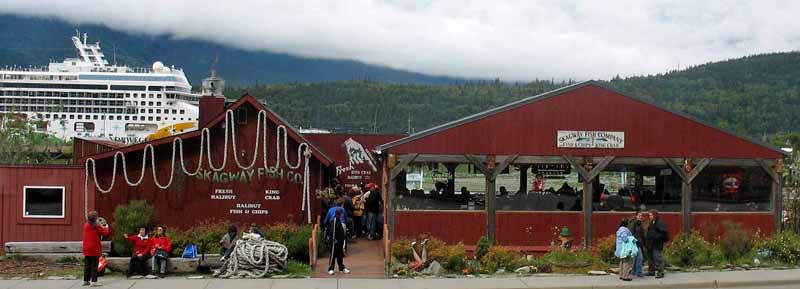
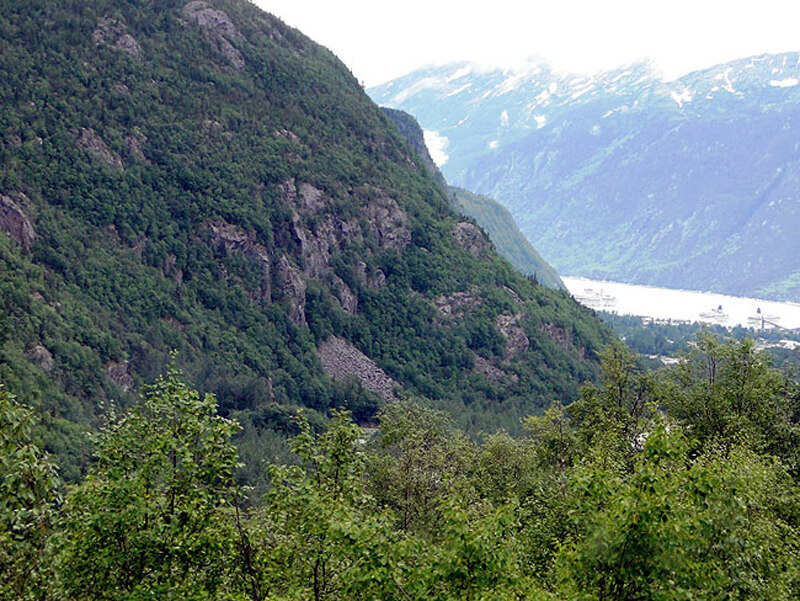
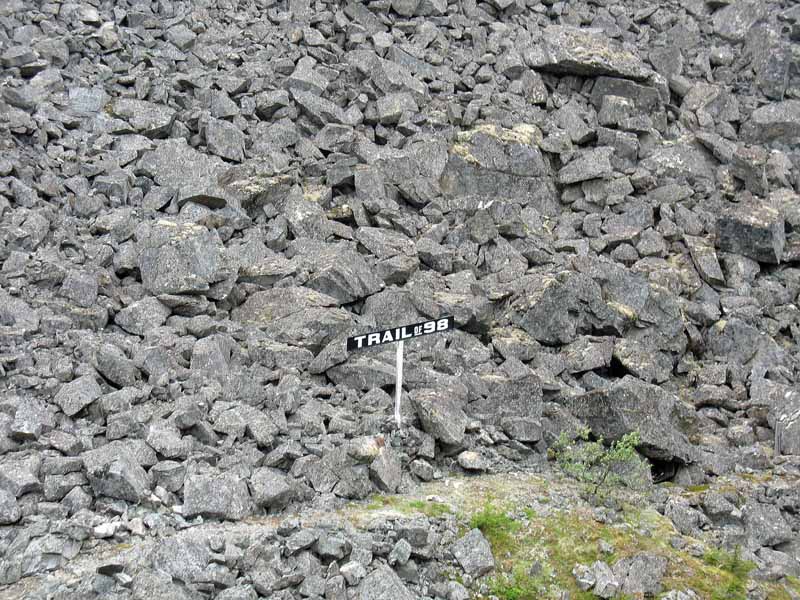
Skagway Alaska is the northernmost stop on the Alaska Marine Highway’s Inside Passage. It is also the home of the Klondike Gold Rush National Historic Park. The Skagway-Carcross Highway is open year-round and was completed in 1978. It connects Skagway with the Yukon and Alaska Highway. In its heyday, Skagway was the boomtown gateway to the Trail of ’98 and the Klondike gold fields. The population has dwindled from 20,000 feverish gold seekers to about 800 stalwart year round citizens. Streets once choked with gold-crazed stampeders clamoring to get on to the Klondike and strike it rich, are now just as busy with the thousands of tourists that visit annually.
Skagway is also part of the setting for Jack London’s book “The Call of the Wild.”
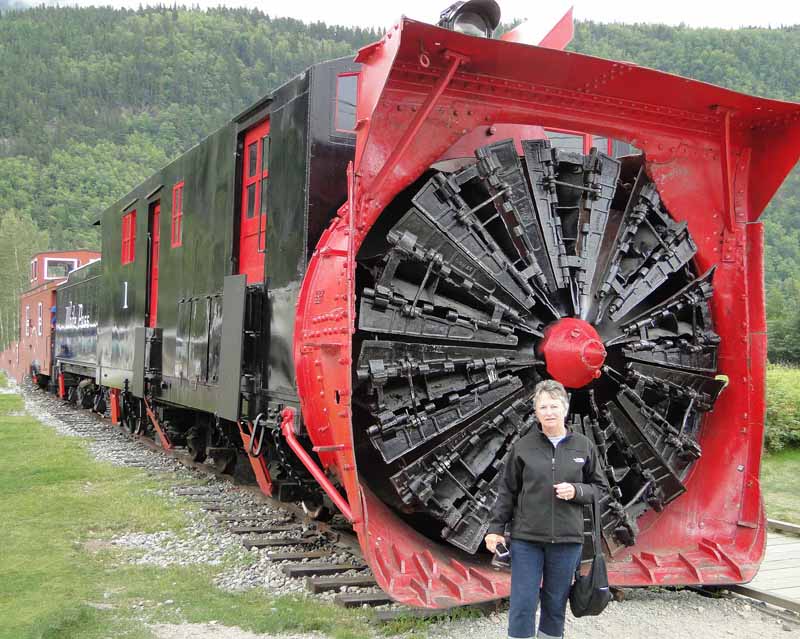
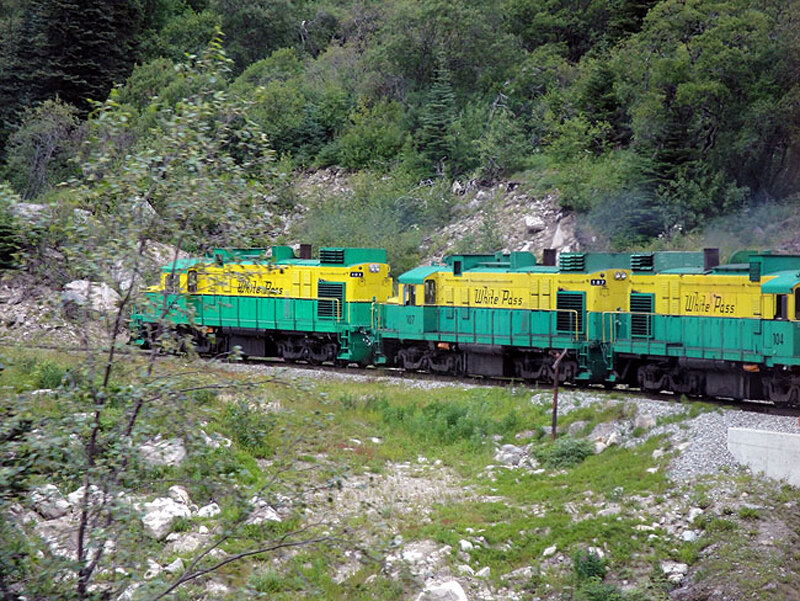
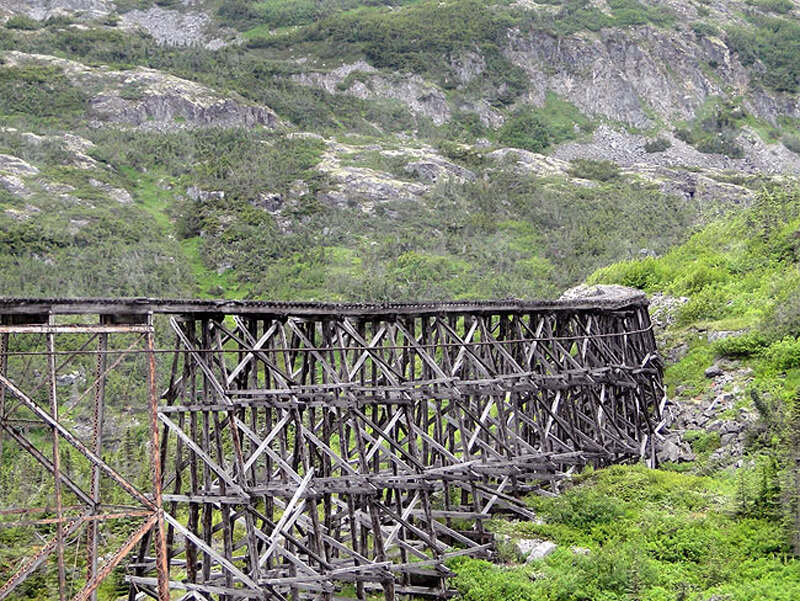
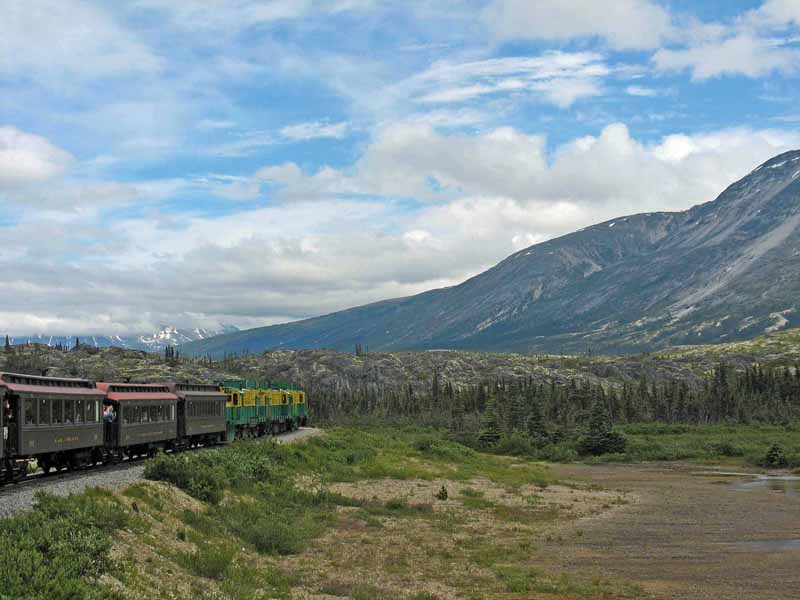
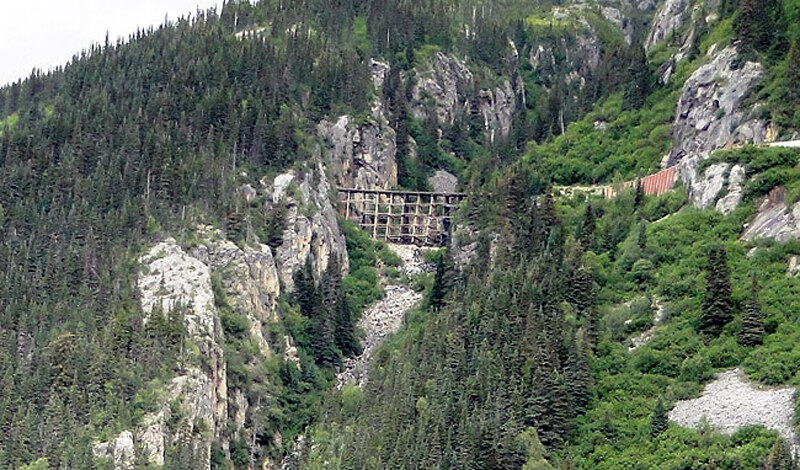
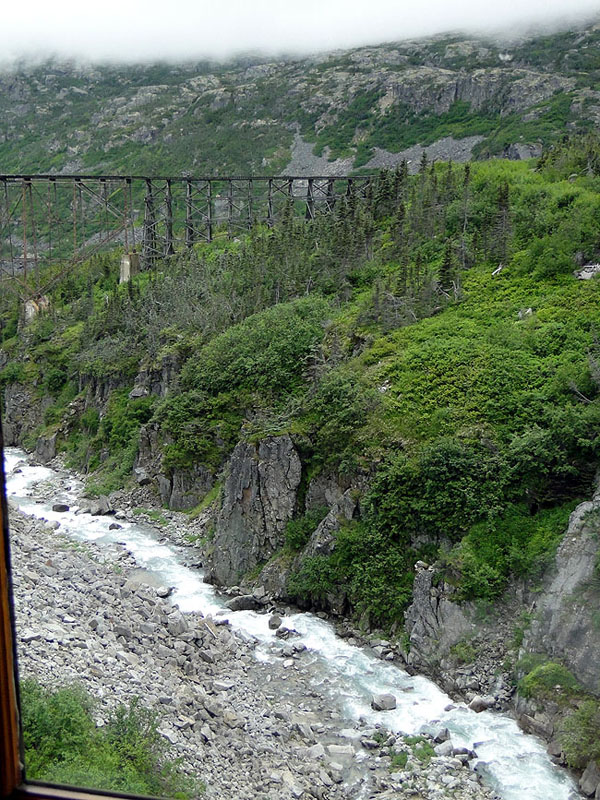
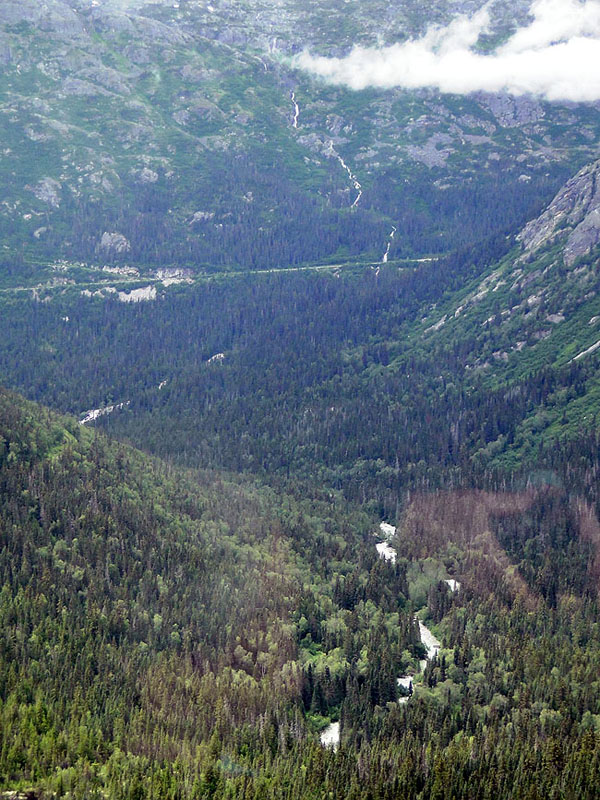
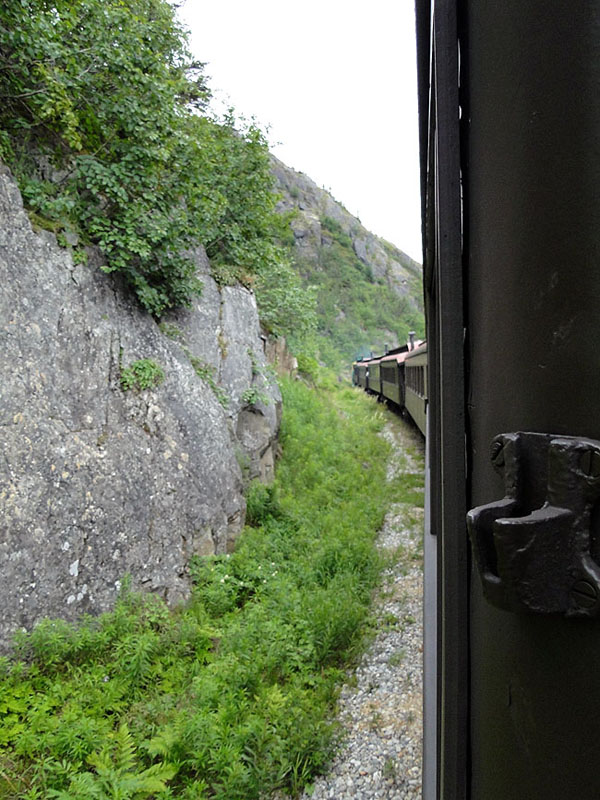
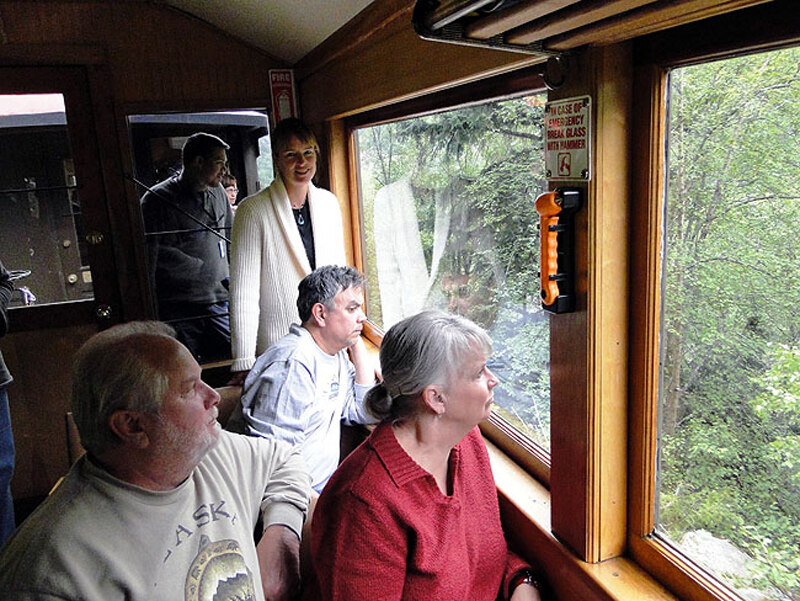
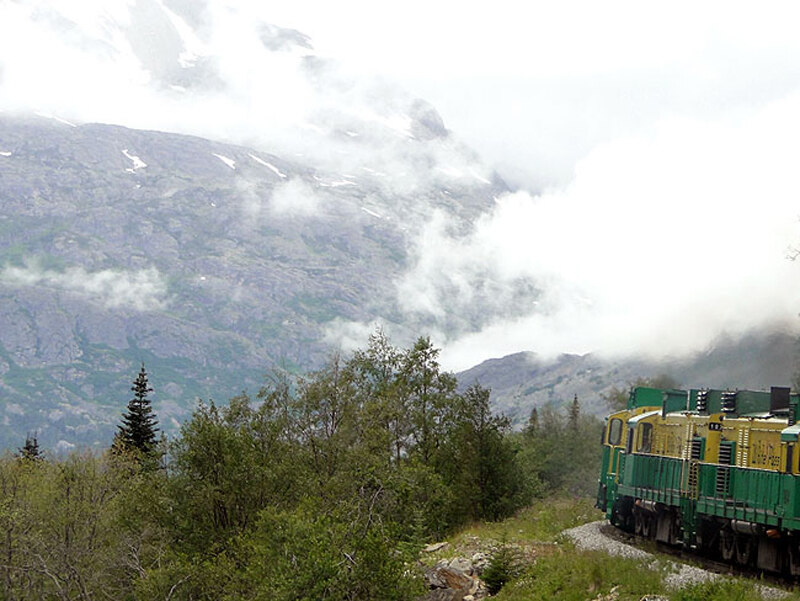
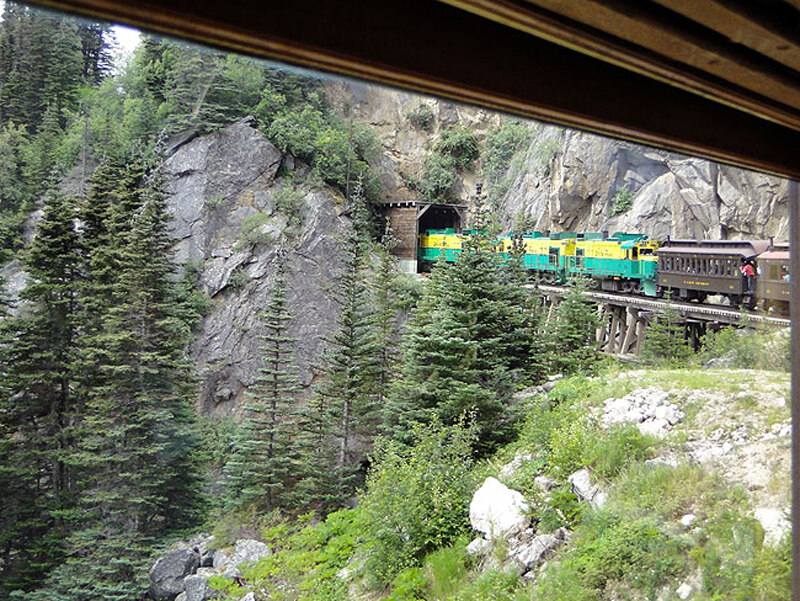
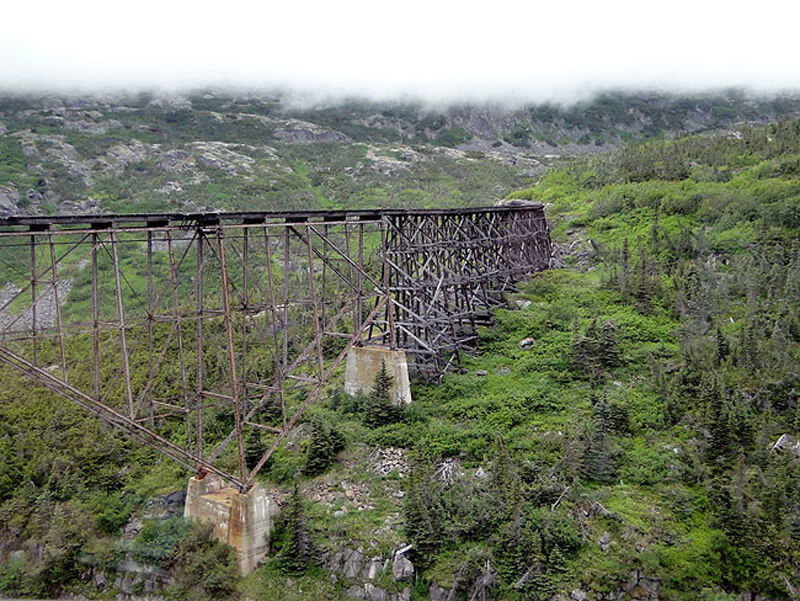
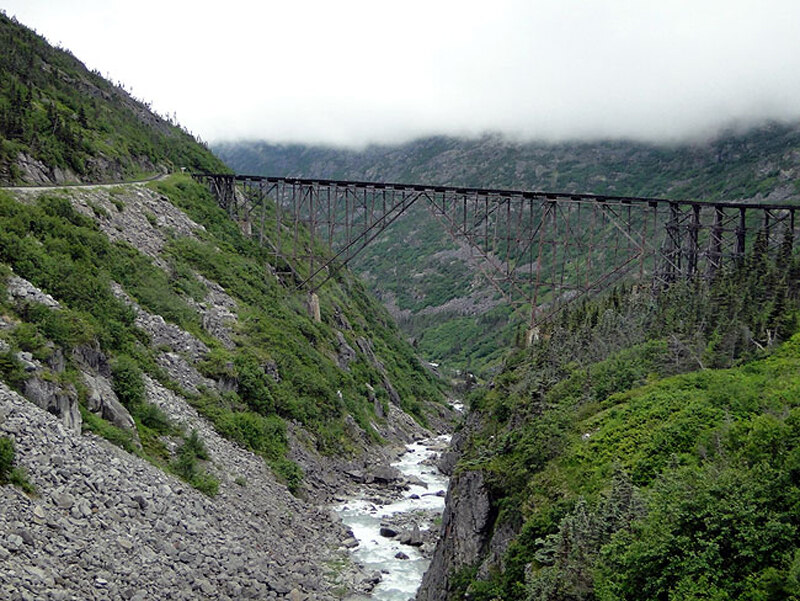
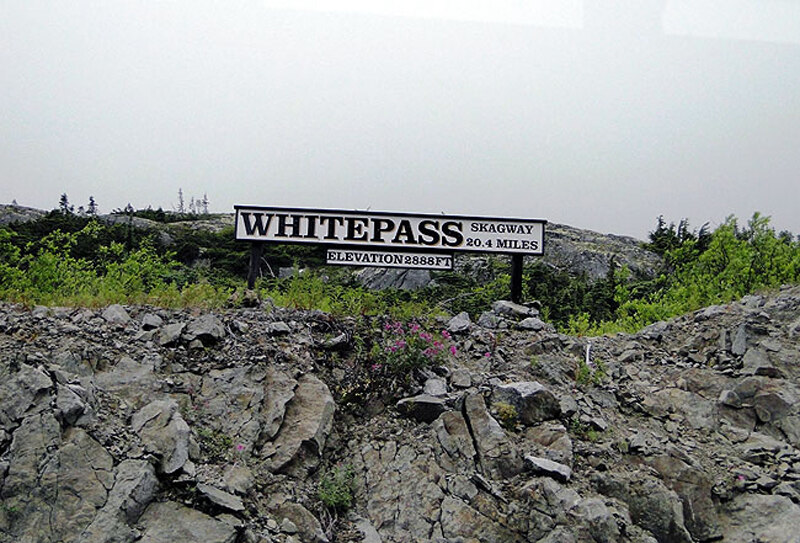
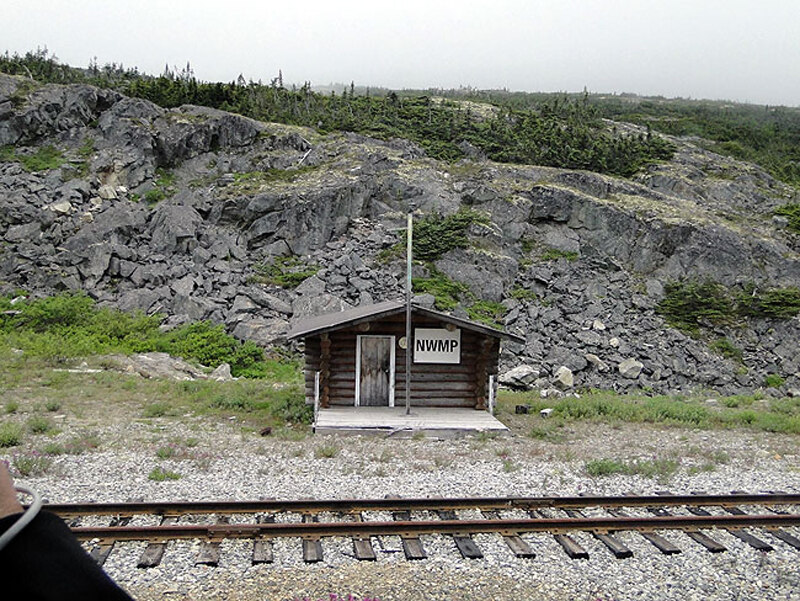
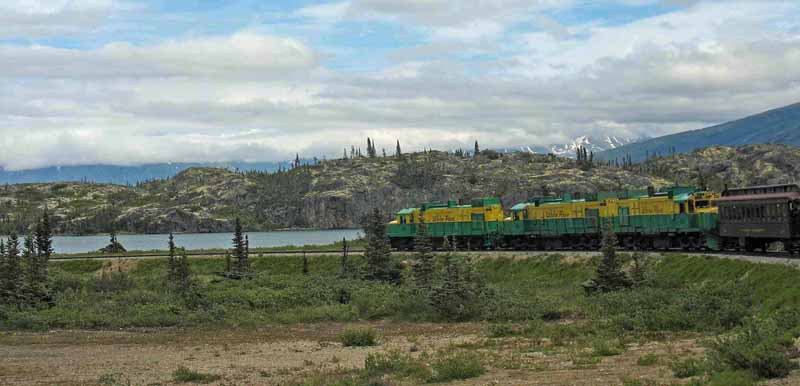
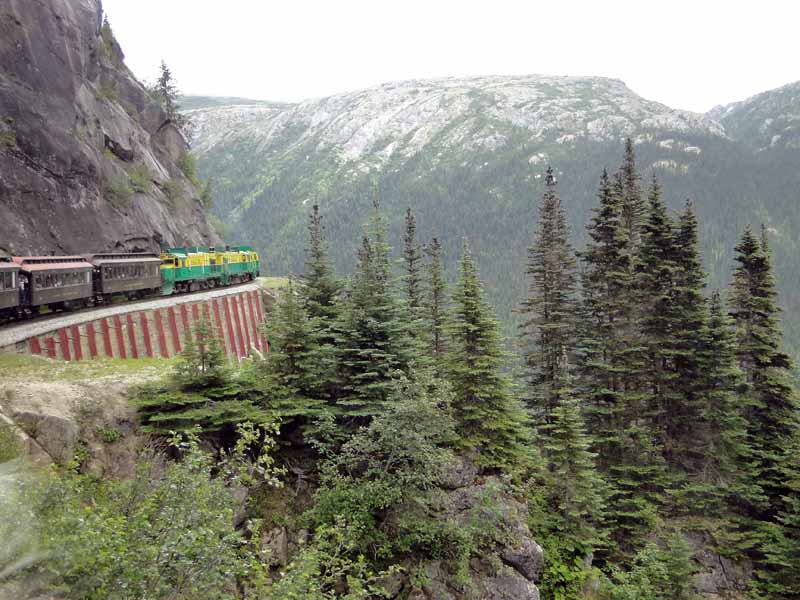
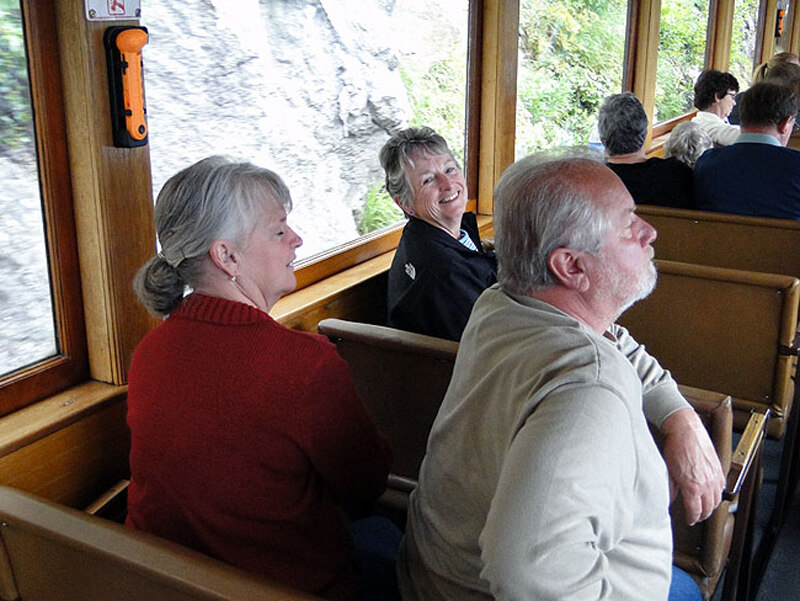
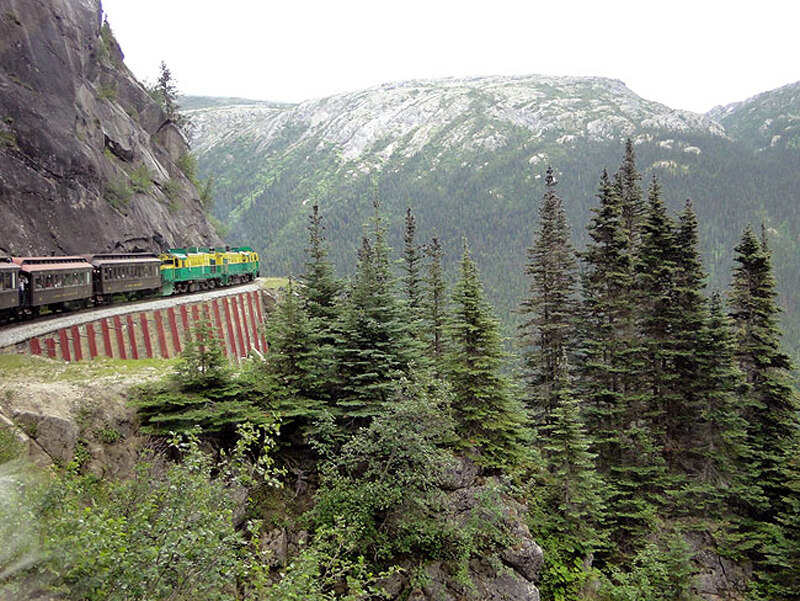
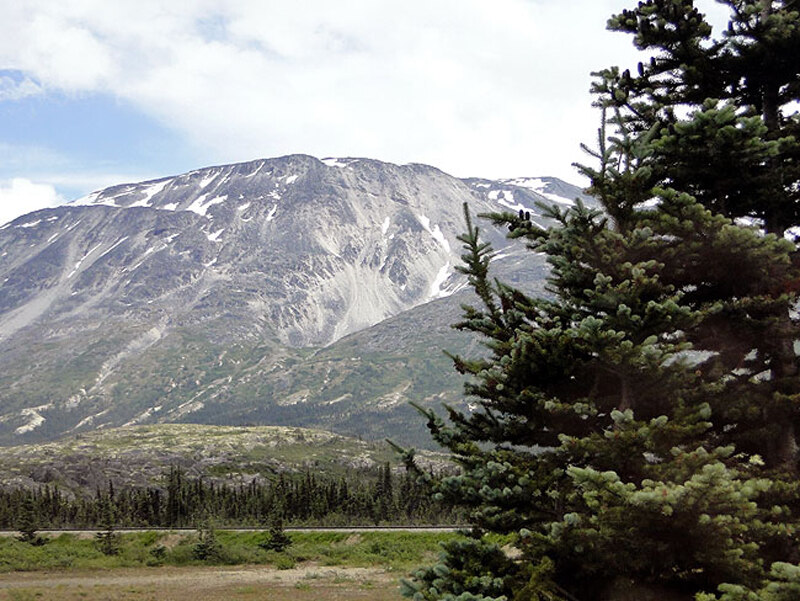
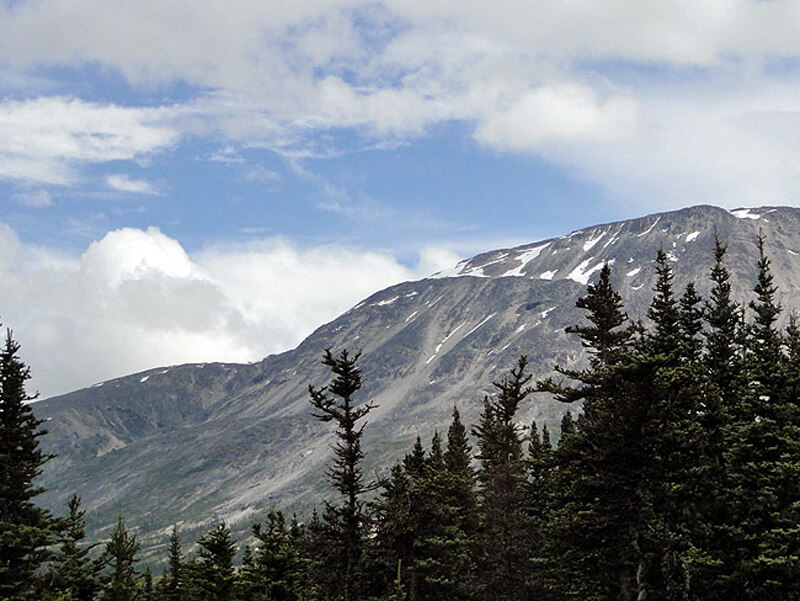
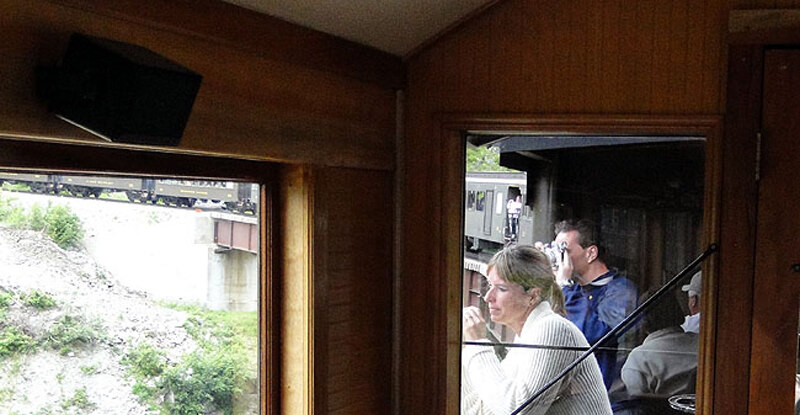
The White Pass & Yukon Railroad Company was formed in April 1898 as a way to expedite travel to the Klondike gold of the Yukon Territory. The narrow gauge railway is an engineering marvel, and in July 1900, the 110 miles of track were finished at a cost of about $10 million.Riding the White Pass railway today gives passengers a good idea of the labor involved in its construction. The White Pass railway climbs from sea level at Skagway to almost 3,000 feet at the summit just 20 miles later and features tight curves and steep grades. Narrow gauge was used because of the sharp turns and to save costs. The railway has two tunnels and numerous bridges along the route, and over 35,000 men worked in building the railroad.
Although the railway is used for sightseeing today, train cars carried huge amounts of ore to Skagway for decades, and the railroad was the chief supplier for the World War II Alaska Highway project.
Skagway / White Pass & Yukon Route


 Trail of '98
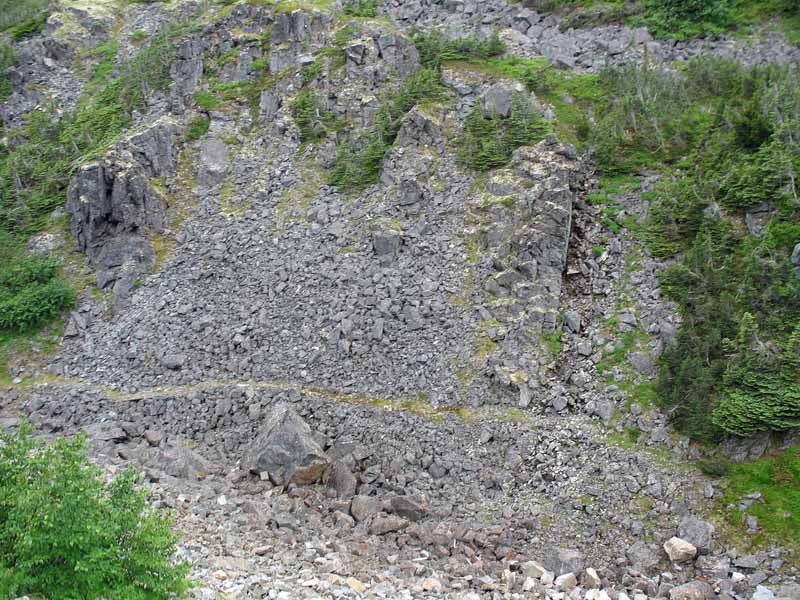
  Trail of '98


Skagway / White Pass & Yukon Route